
Virtual Library | Be Kind, I’m Blind
For pet parents with dogs who are losing their vision or are now blind, we publish a guide to help make the transition comfortable for you and your pet. Read on for tips on making dog friends, safety at home, training and exercise and eye health!
← Flip through our digital brochure
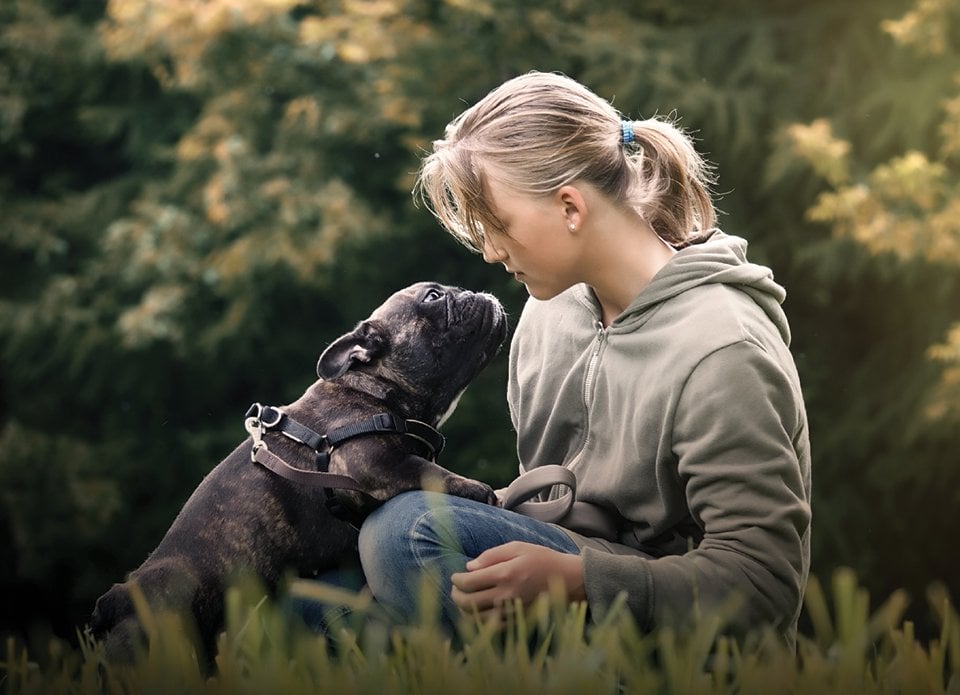 You’ve just learned that your dog is slowly losing his or her vision, or perhaps it happened quickly and your pet is now blind. This will be a time of transition for you and your pet, but with some adjustments to your home and routine, a wonderful new life awaits you both.
From the start, one of the most helpful things you can do is to talk to your dog. The sound of your voice will help him figure out where he is. Be sure to speak before you approach or pet him, so he knows it’s you! And use the leash to walk him around the house so he can find his bed, feeding bowls, toys and favorite places.
Just like sighted dogs, blind dogs often enjoy being around familiar people and other dog friends. A seeing dog can be a real buddy for your pet, helping as a guide, playmate and trusted companion.
When meeting people while you’re out and about, let them know your dog is blind by wearing our fashionable “Be Kind, I’m Blind” bandana. It’s a great conversation starter and an opportunity to tell others about your dog’s condition so they approach him slowly and with care.
Just as you would childproof a home for a toddler, it’s important to make sure your pet’s home and environment are safe. It can be helpful to get down on your hands and knees, to your dog’s level, and look for things that could be harmful, such as sharp edges, electrical cords or decorative items that could easily topple.
 Block off stairs with safety gates to avoid accidental falls.
 - Keep the furniture in the same place. Your pet will learn his way around the house (and have trouble if it is changed).
- Use lightly scented oils or perfumes to help him identify objects or areas such as steps, his bed or the back door.
- Rely on outdoor textures such as grass, rocks or pebbles to help your dog find his way around in the yard. When he feels the sidewalk instead of the grass, he knows the front door is close by.
- Make sure to feed your pet in the same place every day, and have rugs under the water bowls so he can feel where to get a drink.
- Don’t leave loose items on the floor where he could stumble on them.
 Block off stairs with safety gates to avoid accidental falls.
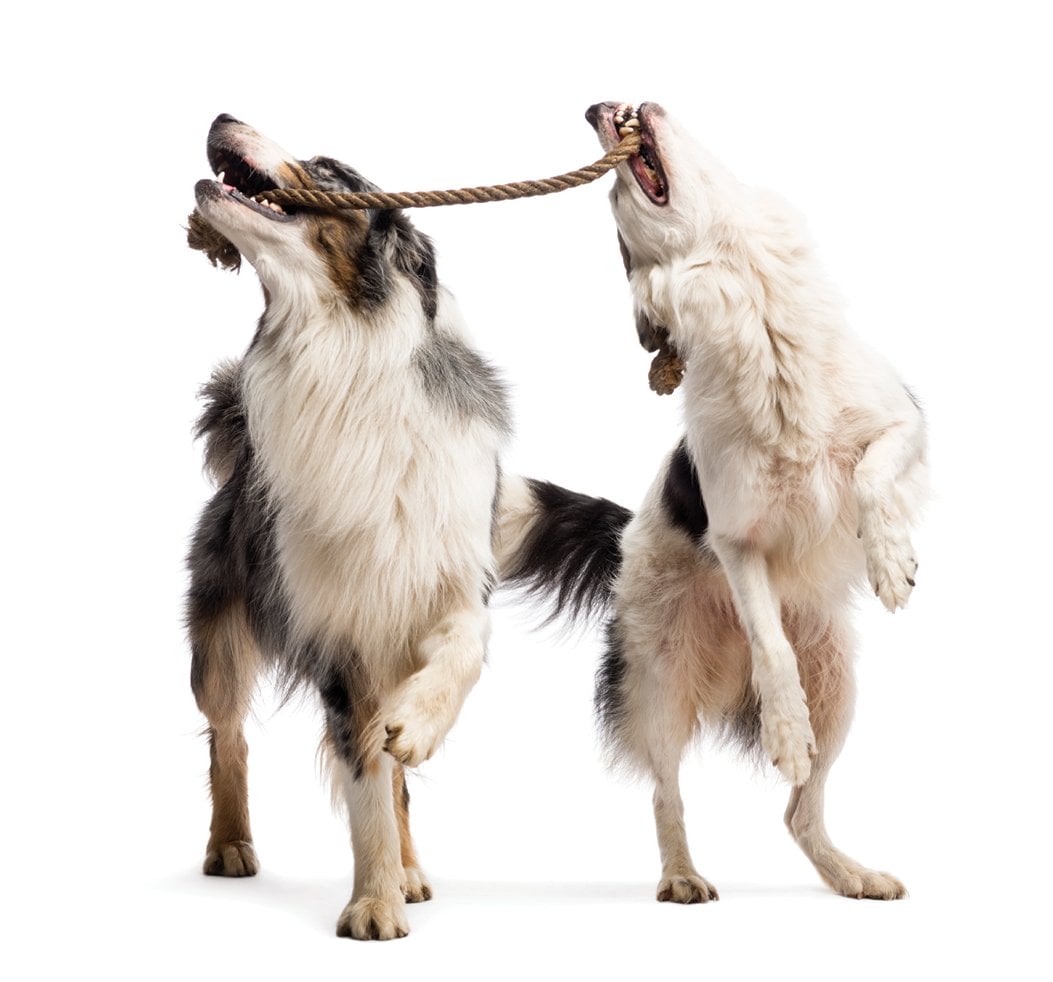 Clicker training and training with treats will help your dog adjust to his new world. Teach him commands such as “right,” “left,” “watch” for avoiding obstacles, and “step” when approaching a step or stairs. In addition, it’s important that he stay active. Try wearing bells on your wrist and using verbal coaching when walking your dog, so he knows where you are at all times. Take walks in familiar places, on sidewalks or level trails. And play! Engage him a game of tug-of-war, and give him squeaky toys for fun.
Even though your dog cannot see, it’s still important to check for any tell-tales signs of illness such as squinting, redness, clouding and discharge. Blind eyes also run the risk of ocular diseases such as corneal ulcers, glaucoma and dry eye, among others. If you suspect there’s an issue, please call to schedule an appointment.
 One of the reasons I chose to become a veterinary ophthalmologist came from an experience with one of my own pets, a wonderful Basset hound named Whiskey. She was like a soul mate to me, and I loved her dearly. During veterinary school, she developed glaucoma, which can be an excruciatingly painful and blinding condition in dogs. It’s much more severe than glaucoma in humans.
I spent the better part of my last two years of vet school fighting to keep her vision. The treatment options at the time were more limited than they are today, and ultimately Whiskey became permanently blind. The experience I went through with her fostered my ongoing desire to help animals with vision problems–to provide the best ocular care possible so they can live their lives to their full advantage. Ultimately, Whiskey did quite well as a blind dog; better than I could have imagined. The experience has helped me immensely in counseling my clients when their pets are experiencing vision loss. I understand entirely, because I’ve been there too.
I hope you find this brochure helpful as you begin this new stage of life with your dog. I’m sure you will find that it is a rewarding experience–and one you’ll recall with affection.
So, You Brought Home a Bulldog
Cataracts and Cataract Surgery
Entropion Causes and Treatment
Feline Herpesvirus and Treatment
OFA Certification Registry Exams
Visit our blog, In Focus, to learn more about the pets we see, the treatments we offer and the services we provide to help your pet “see a better life.”