
Virtual Library | Diabetes and the Eye
Diabetes mellitus affects dogs and cats in much the same way it affects humans. Most people, however, are unaware of the numerous ocular changes that can develop secondary to the condition. This can include KCS (dry eye), corneal changes, rapid cataract formation, uveitis and hypertension/retinal changes. Read on to learn more about diabetes-related ocular conditions, therapies and treatment.
← Flip through our digital brochure
Diabetes mellitus is a common endocrine disorder in dogs, touching almost a third of the general canine population. It is seen at increased frequency in breeds such as the miniature Poodle, Bichon Frise, Pug, Dachshund, miniature Schnauzer, Puli, Samoyed, Keeshound, Australian Terrier, Fox Terrier, Cairn Terrier and Beagle. The disorder is also more common in older, overweight dogs.
 Diabetes affects dogs and cats in much the same way it affects people. The condition occurs when the pancreas is either not producing enough insulin (Type I Diabetes); or the pancreas is still producing some insulin, but the body is not utilizing it properly (Type II Diabetes). As a result, excessive glucose (hyperglycemia) builds up in the bloodstream, causing damage to many organs in the body including the blood vessels, kidneys, heart, nerves and eyes.
Most people are aware of the changes diabetes causes to blood sugar regulation. However, many are unaware of the numerous ocular changes that can develop secondary to diabetes.
 OCULAR SURFACE DISEASE:
Diabetes causes both poor tear quality and quantity. Tear quality suffers due to a reduced number of conjunctival goblet cells, resulting in rapid evaporation of the tears. Diabetic dogs also tend to have a low tear quantity (Keratoconjunctivitis sicca; KCS) due to immunemediated mechanisms (lacrimal adenitis) or poor nerve supply to the eye (peripheral neuropathy). Finally, the neuropathy causes them to blink less frequently. Diabetic dogs are almost twice as likely to develop low tear production compared to non-diabetic dogs. Smaller diabetic dogs are particularly predisposed to this complication. All of these factors predispose diabetic dogs to the development of painful corneal ulcers, which subsequently take longer to heal due to the underlying secondary factors present.
 RETINOPATHY:
Animals do not generally develop the same degree of diabetic retinopathy changes seen in people. That said, diabetes is commonly associated with hypertension, which causes retinal changes ranging from retinal and subretinal edema and hemorrhage, to complete retinal detachment. Diabetes is also often associated with hyperlipidemic states (high blood fat levels), which can lead to elevated fat levels in the front chamber of the eye (lipemic uveitis) and retina (lipemia retinalis).
 CATARACTS:
Contrary to the typical “slow-and-steady” cataract formation associated with age, rapid cataract formation often occurs with diabetic cataracts, resulting in severe swelling of the lens. This swelling can cause the lens capsule to rupture, leading to severe secondary complications such as uncontrollable inflammation, retinal detachment and glaucoma. These conditions limit the success rate of cataract surgery when present in diabetic patients.
TOPICAL ANTI-INFLAMMATORY THERAPY: minimizes the risk for long term complications from the cataracts.
TEAR STIMULANT THERAPY: treats low tear production (KCS).
CATARACT SURGERY: currently the only treatment for removing cataracts.
ALDOSE REDUCTASE INHIBITORS: may prove useful to limit cataract progression of diabetic cataracts in the future (not currently available).
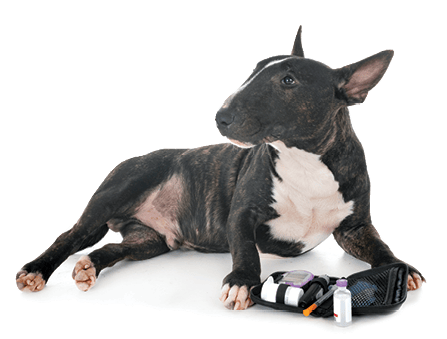 Similar to that in people, the mainstay of treatment for diabetic pets is to help them regulate their blood sugar (glucose) levels. This is generally best accomplished by:
- Regularly monitoring their blood sugar levels with your family veterinarian
- Regular insulin injections, when indicated
- Feeding a high-fiber diet for dogs
- Feeding a high-protein/low carbohydrate diet for cats
- Encouraging regular exercise and playtime
- Managing their weight
 In addition to regular monitoring of blood sugar for optimal health of your diabetic pet, there are other parameters – systemic and ocular – that should be monitored as well:
- BLOOD PRESSURE
Hypertension has significant consequences throughout the body, most notably in the heart, brain, kidneys and eyes. - TRIGLYCERIDES AND CHOLESTEROL
Diabetes causes increased mobilization of fat in the body, therefore triglycerides and cholesterol should be regularly monitored to prevent secondary complications such as pancreatitis, lipoid uveitis and lipemia retinalis. - REGULAR EYE SCREENINGS
It is important to have regular eye screenings, specifically to monitor the tear production (Schirmer tear test), ocular pressure (tonometry) and corneal sensitivity (esthesiometry). These tests help to provide a complete assessment of the overall ocular health, and allow for minor problems to be corrected with medical therapy before they become painful and/or vision-threatening. - CONCURRENT CONDITIONS
Diabetes often occurs with other systemic conditions. Heart disease, kidney disease, hyperadrenocorticism (overactive adrenal gland), hypothyroidism (underactive thyroid gland), and skin and urinary tract infections also need to be assessed for and treated to improve ongoing management of diabetes.
So, You Brought Home a Bulldog
Cataracts and Cataract Surgery
Entropion Causes and Treatment
Feline Herpesvirus and Treatment
OFA Certification Registry Exams
Visit our blog, In Focus, to learn more about the pets we see, the treatments we offer and the services we provide to help your pet “see a better life.”